
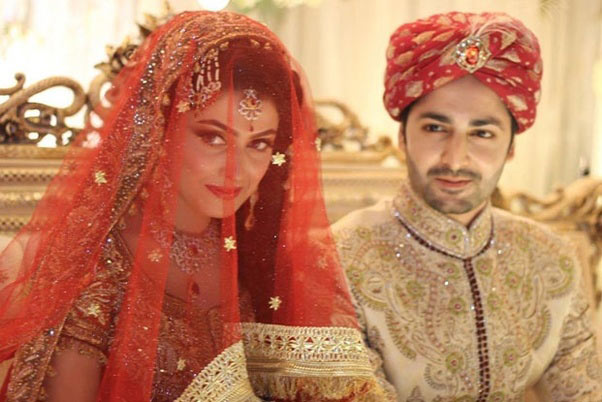
In recent times, a strange survey began circulating on social media, claiming that two crore thirty-five-year-old women are waiting for marriage in Pakistan. The news spread quickly, sparking endless debates among men and women, married and unmarried alike. Many people, without verifying facts, started creating their own theories, jokes, and even religious justifications around this so-called survey.
The reality, however, is very different. To understand this issue, we must look beyond memes and parody claims and instead explore the ground realities of the male and female population in Pakistan, cultural expectations, and the challenges young men and women face in finding suitable life partners.
Myths About “1 Crore Girls Waiting to Get Married”
One of the most widely shared claims is that “1 crore girls of 35 years old are waiting to get married in Pakistan.” This catchy line has been repeated so often that many people believe it to be true without asking for evidence. But this statement has little to no basis in reliable demographic studies.
First of all, the population of Pakistan is indeed very large, and yes, there is a considerable unmarried female population in Pakistan Muslim society, but the idea that millions of women are just waiting around to be married is misleading. Many women over the age of 30 are educated, employed, and financially independent. They are not “desperate” or “unlucky,” but simply living life on their own terms.
The word “waiting” itself reflects a narrow perspective, suggesting that marriage is the only way for a woman to complete her life. But today, women across the world—including the unmarried female population in world statistics—are delaying or choosing not to marry for various personal, cultural, or financial reasons.
Cultural Pressures and Gender Expectations
The way Pakistani society treats unmarried individuals, especially women, is often harsh. Family members, neighbors, and relatives constantly ask questions, making women feel incomplete if they remain single beyond their 20s. On the other hand, the unmarried male population in Pakistan does not face the same scrutiny. A man in his 30s or even 40s may be considered eligible for marriage, while a woman of the same age is unfairly labeled “too old.”
This double standard reflects a cultural imbalance that needs to be addressed. Marriage is not a race, nor should it be a measure of a person’s worth. Instead, it should be a partnership based on mutual respect, love, and understanding.
Financial Struggles and Marriage Delays
Another key reason behind delayed marriages is financial instability. Many young men cannot afford the heavy demands of dowry, wedding expenses, and the responsibilities of supporting a household. As a result, the unmarried male population in Pakistan has also increased significantly.
When families demand luxury weddings, gold sets, cars, or property, it discourages proposals. On the other hand, some men set unrealistic expectations for women, such as beauty standards or financial contributions. These demands create unnecessary delays, fueling the very statistics people later complain about.
The Divorce Rate in Pakistan
Another social factor that must be discussed is the divorce rate in Pakistan. While the number is not as high as in Western countries, it is gradually increasing, especially in urban areas. The rising divorce rate reflects changing social dynamics—women are no longer willing to stay in abusive or unhappy marriages, and men also feel less pressure to remain in toxic relationships.
However, this trend also increases fear among families, who sometimes delay marriages out of caution. Parents want to ensure stability before tying their children into lifelong commitments. Ironically, this fear of divorce sometimes leads to the very delays they wish to avoid.
Women Beyond Marriage: Independence and Strength
The viral claim about unmarried female population in Pakistan 2024 paints a picture of helpless women “waiting” for husbands. But in reality, many women today are independent professionals—teachers, doctors, engineers, businesswomen—contributing to the economy and supporting their families.
A 35-year-old woman in Pakistan is not necessarily financially dependent on her parents. Many can not only support themselves but also provide for siblings or parents. This independence challenges the outdated idea that women without husbands are somehow incomplete.
Globally, the unmarried female population in world statistics shows a similar pattern. Women are choosing careers, education, and personal growth over rushed marriages. The idea that marriage is the only purpose of a woman’s life is slowly losing ground.
The Role of Social Media in Spreading Myths
Platforms like Facebook and X (formerly Twitter) play a major role in shaping opinions. When the fake survey about “two crore thirty-five-year-old women waiting for marriage” went viral, it quickly turned into a source of jokes and debates. Many men used it as an excuse to advocate for second marriages, claiming it as a solution.
But these arguments often ignore the fact that both men and women have equal responsibility in marriage. Instead of blaming women for having “high demands,” society must also question men’s unrealistic expectations, lack of financial preparation, and reluctance to compromise.
A Balanced Way Forward
If we want to address the growing unmarried female population in Pakistan Muslim society and the rising number of unmarried men, we need to rethink our cultural values:
- End Dowry Demands – Families should avoid putting financial burdens on either side.
- Encourage Simpler Weddings – Religious teachings emphasize simplicity, yet society often pressures families into extravagance.
- Educate About Equality – Both men and women must understand their rights and responsibilities in marriage.
- Respect Individual Choices – Not everyone wants or needs to get married. Personal freedom must be respected.
- Support Emotional Wellbeing – Families must stop shaming unmarried daughters or sons. Instead, they should focus on their happiness and mental health.
Conclusion
The conversation around 1 crore girls of 35 years old are waiting to get married in Pakistan is not about numbers but about society’s mindset. Women are not products waiting on a shelf; they are individuals with dreams, dignity, and independence. The male and female population in Pakistan must both be understood in balance, without one side bearing the blame.
Marriage should be about love, respect, and mutual growth—not pressure, statistics, or societal expectations. By addressing unrealistic demands, reducing financial burdens, and respecting personal choices, Pakistan can move toward a healthier and more compassionate view of marriage.
The truth is simple: whether a woman is 25 or 35, married or unmarried, she remains valuable, complete, and worthy of respect. The same applies to men. Until society accepts this truth, myths and parody surveys will continue to distract us from the real issues.