
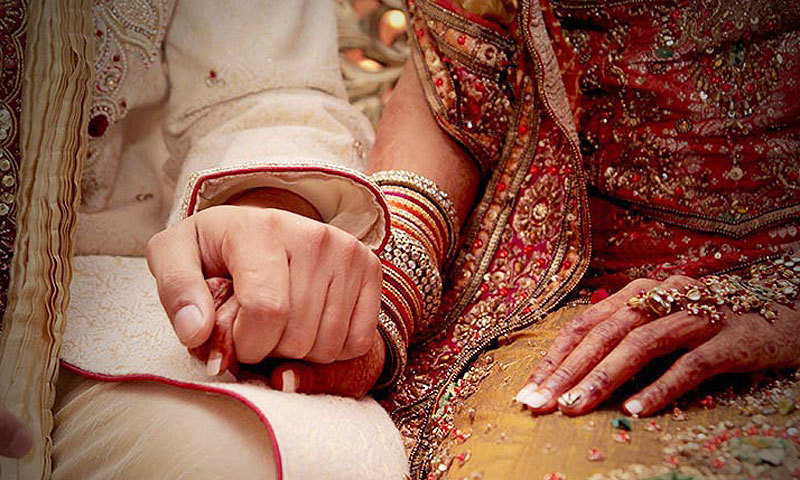
Marriage in Pakistan has always been regarded as a sacred and emotional bond, yet in recent years it has increasingly turned into a display of wealth and social status. What was once a simple union of two families is now often shaped by unrealistic financial expectations, heavy expenses, and societal pressure. This changing trend is affecting the real spirit of Nikah and creating serious challenges for young couples and their parents.
Weddings Turning Into Status Competitions
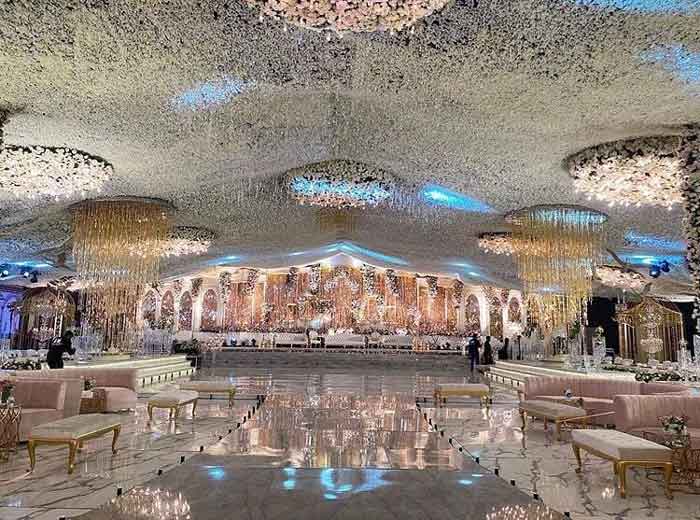
Pakistani weddings today are frequently planned like grand events rather than meaningful family gatherings. Expensive venues, designer dresses, luxury décor, and multi-day functions have become the new normal. Many families feel forced to arrange lavish ceremonies just to maintain their social image. This race to impress relatives and friends has transformed marriages into competitions instead of celebrations of love and commitment.
Dowry Culture Still a Harsh Reality
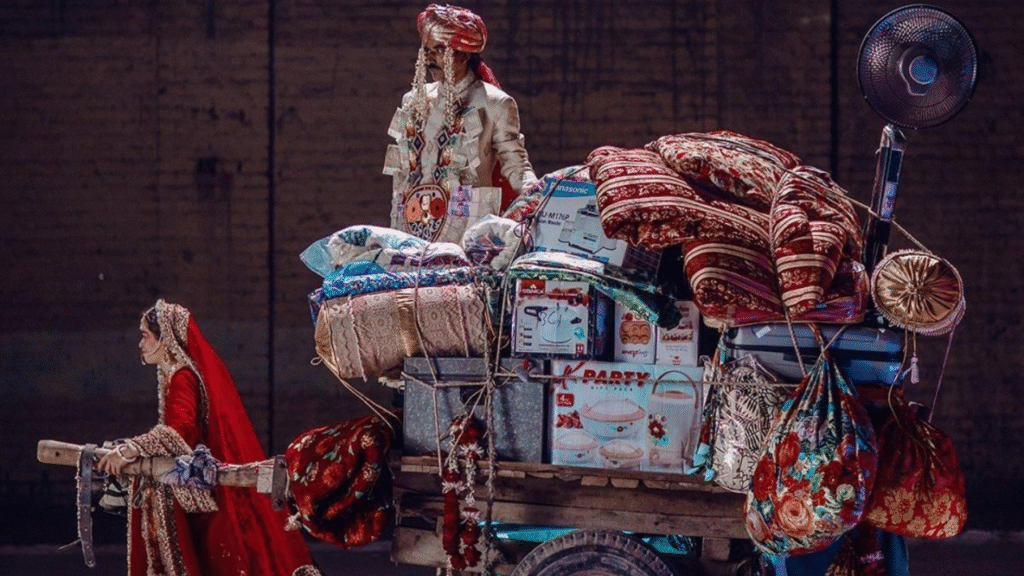
Despite awareness campaigns and legal restrictions, the demand for dowry remains common in many parts of Pakistan. Brides’ families are often expected to provide furniture, cash, cars, and costly gifts. These unfair demands place enormous financial pressure on parents and deepen gender inequality. Numerous families fall into debt simply to fulfill expectations that have no connection with Islamic or moral values.
Pressure on the Groom’s Family as Well
The burden is not limited to the bride’s side. Grooms are also expected to host expensive valima functions, give heavy bridal gifts, and prove their financial strength. Marriage proposals are sometimes judged more on income and assets than on character and compatibility. This commercial mindset is turning relationships into transactions rather than lifelong partnerships based on trust.
Emotional and Social Consequences
The financial stress surrounding weddings often leads to conflicts between families and even between the couple. Many young people delay marriage because they cannot afford the growing expenses. Instead of beginning a new life with happiness, couples start their journey under the weight of loans and unrealistic expectations, which can damage relationships from the very first day.
Returning to the True Spirit of Marriage
There is an urgent need to rethink our priorities. Islam and Pakistani cultural values emphasize simplicity, mutual respect, and understanding in marriage. Parents and communities must encourage modest weddings and reject dowry demands. Choosing a life partner should be based on character, education, and shared values rather than material wealth.
Conclusion
The growing culture of extravagant weddings is weakening the true foundation of marriage in Pakistan. Society must realize that a successful relationship is built on love and respect, not on expensive halls or heavy gifts. By promoting simple Nikah ceremonies and realistic expectations, we can protect future generations from unnecessary financial burdens and restore the real beauty of Pakistani marriages.